

Engine Benefits of a Quality Exhaust Upgrade: All You Need To Know
Upgrading an exhaust system can completely transform the way your car sounds, performs, and even feels to drive. But what actually happens when you install an aftermarket exhaust? And what does it do to your engine performance?
If you’ve ever wondered about the science behind the sound and the power gains, this guide explains exactly how a high-quality exhaust upgrade affects your car - and why investing in the right system makes all the difference.
The Different Types Of Aftermarket Exhaust Systems
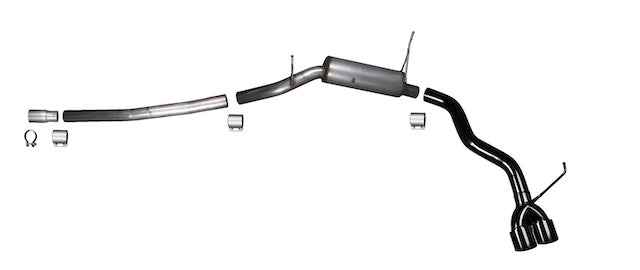
Your vehicle’s exhaust system is responsible for expelling combustion gases safely and efficiently. The catalytic converter filters harmful emissions before gases exit through the muffler and tailpipe.
OEM (factory) exhausts are designed to meet noise restrictions, emissions standards, and cost requirements. While they’re reliable, they often restrict airflow - which limits engine performance.
Aftermarket exhausts, on the other hand, are engineered for improved power, efficiency, and sound quality. The two main types include:
- Cat-Back Exhaust Systems - Replaces everything from the catalytic converters back, including mufflers and tailpipes.
- Axle-Back Exhaust Systems - Replaces only the rear section of the exhaust, from the rear axle to the tips.
Header back systems with the catalytic converters removed are for track vehicles only. For an even deeper dive into exhaust types, check out our detailed article here.
What Does An Aftermarket Exhaust System Do?

An aftermarket exhaust removes many of the restrictions found in stock systems. These restrictions create back pressure, which can make it harder for exhaust gases to exit the engine. Reducing back pressure means your engine can breathe more easily. The key benefits of an upgraded aftermarket exhaust include:
- Reduced Back Pressure: Improves exhaust flow efficiency.
- Better Engine Breathing: Helps the engine pull in more fresh air on the intake stroke.
- Improved Combustion: Cleaner air-fuel burn leads to more power.
- Enhanced Throttle Response: Faster acceleration and smoother revving.
- Improved Exhaust Note: A deeper, sportier tone that can sometimes cause excessive cabin drone at cruising speeds. To eliminate this, every Thermal R&D exhaust system uses Drone Free True Helmholtz Technology.
Which Exhaust System Upgrade Is Best For You?

For noticeable gains in horsepower, torque, and efficiency, a cat-back exhaust system is usually the best choice. It replaces the majority of restrictive factory piping, maximizing flow and sound.
| System Type | Components Replaced | Performance Gain | Sound Level | Best For |
|---|---|---|---|---|
| Axle-Back | Muffler and tailpipes | Minimal | Louder | Great value option |
| Cat-Back | Catalytic converter to tailpipes | Moderate to High | Deeper tone | Best performance for road use |
| Header-Back | Full exhaust from headers back | Maximum | Loudest | Track or tuned vehicles only |
What Does The Exhaust Do To Your Engine?

A combustion engine relies on the precise balance of airflow, fuel, and timing. The exhaust system plays an integral role in this balance by removing burnt gases quickly and efficiently - making room for fresh air and fuel to enter the cylinders. Here's how improving your exhaust system impacts engine performance:
- Scavenging Effect: A quality exhaust creates a vacuum effect that helps pull exhaust gases out of the cylinders during valve overlap, improving volumetric efficiency.
- Reduced Back Pressure: Less resistance allows for quicker exhaust flow, reducing pressure on pistons during the exhaust stroke. This lets the engine rev up more quickly.
- Increased Horsepower and Torque: Better gas flow leads to more complete combustion and smoother power delivery.
- Improved Fuel Economy: A more efficient engine uses less fuel to produce the same power output.
- Optimized Engine Temperatures: Quality stainless-steel or aluminized tubing helps manage exhaust heat, reducing under-hood temperatures.
- Cleaner Emissions: A properly tuned exhaust system aids catalytic converter efficiency, lowering overall emissions.
To get the full benefits of an exhaust upgrade, consider combining it with upgrades such as:
- A performance air intake for better airflow.
- ECU tuning or remapping to optimize air-fuel ratios.
- High-flow catalytic converters to maintain emissions compliance while improving flow.
A properly engineered exhaust doesn’t just make noise - it impacts how your engine breathes, responds, and performs.
Why Material And Design Matter

Not all aftermarket exhaust systems are created the same. Cheap systems often have thin-wall tubing, poor welds, or use low-grade metals that may corrode and crack. Quality Thermal R&D systems offer designs and materials, such as ceramic-coated exhaust tips and T-304 stainless steel tubing with mandrel bends, that ensure long-term performance.
Since 1983, Thermal Research and Development has engineered exhaust systems that deliver true performance gains without the annoying drone common in lesser systems.
Our patented Drone Free True Helmholtz Technology eliminates resonance frequencies, leaving only the clean, deep performance tone enthusiasts love. Thermal R&D Exhausts offer:
- Lifetime warranty on all exhausts
- Proven power and torque gains
- Enhanced fuel efficiency
- Drone-free performance
- Built in the USA
- Crafted from premium stainless steel
Every Thermal R&D cat-back exhaust system is designed for precise fitment, reliability, and a refined tone that complements your engine’s natural sound. Contact our exhaust experts today to find the perfect drone-free system for your car and experience performance the way it was meant to be.